
Pulaski County Bench Warrants Explained
A bench warrant is court process tied to an existing case and a missed obligation, often a required appearance. A capias is another Virginia court term for process; the exact label depends on the case and order. Do not infer the reason from a short online entry. Ask the clerk which hearing or court direction remains open.
The case may be in Circuit, General District, or JDR. Traffic and misdemeanor matters usually appear in General District Court, while felony matters can move to Circuit Court. JDR handles juvenile and family matters assigned there and has added record limits.
Pulaski County Capias Process After Indictment
Virginia Code section 19.2-232 describes when a court may issue a capias or summons after indictment or presentment. The Circuit Court form list also names capias forms, including a capias to show cause. Those forms show that process can take more than one shape; the clerk can identify the one recorded in a case.
A capias is an order, not a new public roster. The statute text explains the court authority, while the issuing court explains what applies to a particular file.
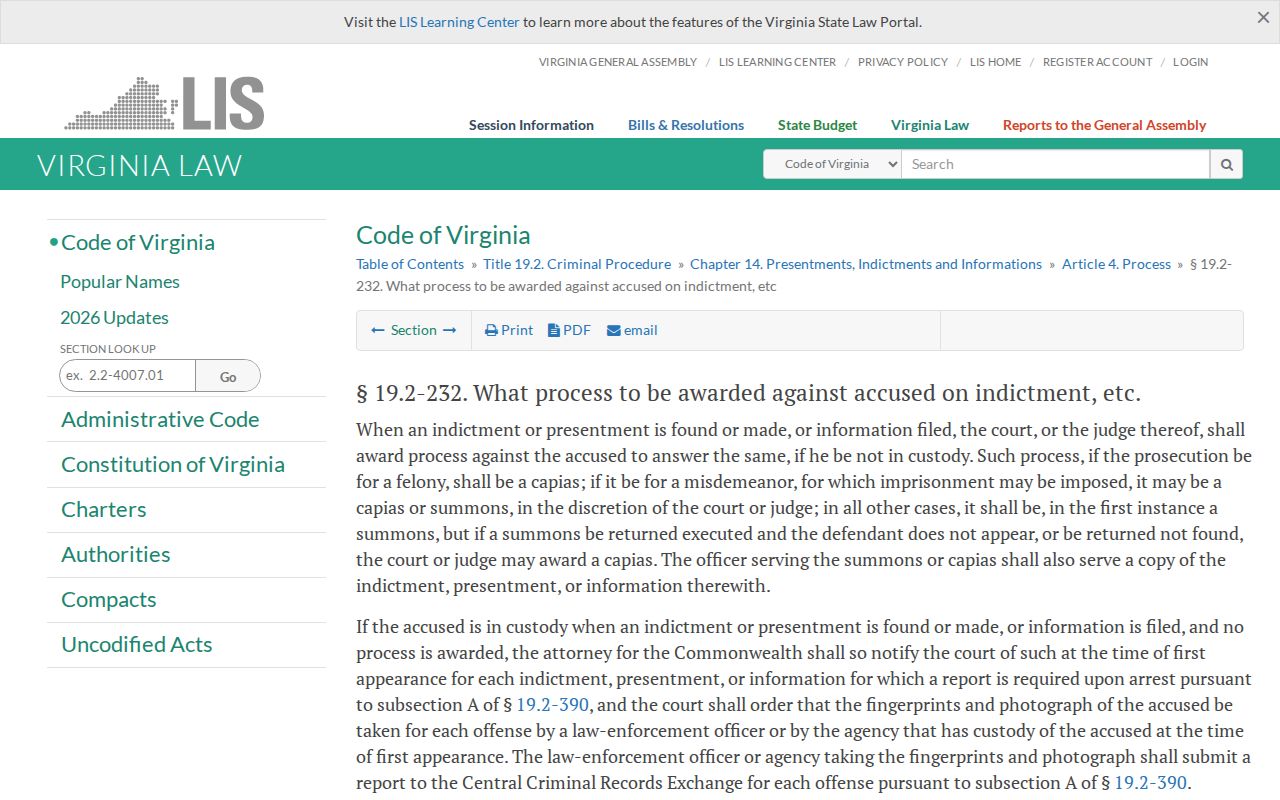
Use the official statute to understand the term, then confirm case status with the clerk.
How Pulaski County Bench Warrants Are Issued
The judge handling the case decides what process follows a missed court obligation. Virginia law provides for capias or summons process in felony cases after indictment or presentment, and for consequences after failure to appear. The order is tied to the case and tells law enforcement what action is authorized.
Once issued, the court's file is the place to ask about a new setting, recall, or other order. A public case search may show a docket entry but not every service detail. The court clerk can identify what the record means; the Warrants Department can route an execution-status question.
Pulaski County Bench Warrant Files Follow Court Type
A missed date in traffic court is routed through General District Court. A felony case after indictment may be in Circuit Court. JDR handles juvenile, domestic, and child-support matters assigned there. These divisions have separate clerks and distinct privacy rules, even though their offices sit in the same courthouse building.
County court schedules include sessions for Pulaski and Dublin police, the Sheriff's Office, and Virginia State Police. Keep the issuing agency and case number from the notice so the clerk can locate the right docket.
The county courthouse directory distinguishes the Circuit, General District, and JDR clerk offices.
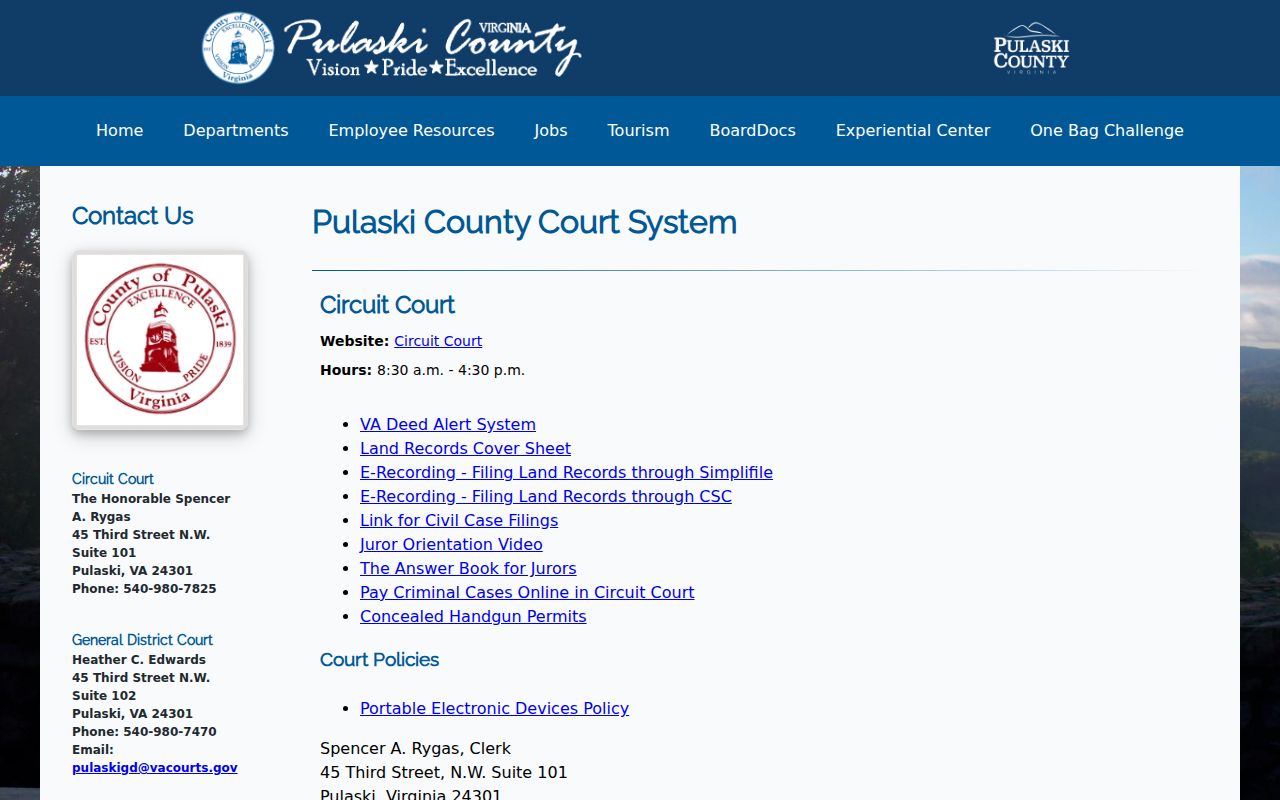
The listed offices keep separate files even though they share a courthouse address.
Bench Warrants and Arrest Warrants Compared
A bench warrant responds to a court obligation in an existing matter. An arrest warrant follows a probable-cause review of a complaint about an alleged offense. Both can authorize custody, but the reason, issuing path, and court file differ. See the Pulaski County arrest warrant search for the probable-cause process.
| Feature | Bench Warrant | Arrest Warrant |
|---|---|---|
| Trigger | Missed appearance or unmet court order | Sworn complaint supporting probable cause |
| Who issues it | Judge handling the existing case | Magistrate or other authorized judicial officer |
| Underlying file | Case already before the court | Complaint and related criminal case |
| Next step | Ask the court about appearance or recall | Confirm the order and get legal advice |
Pulaski County Warrant Roles Follow the Case
The judge who handles the case decides whether to recall or change court process. The clerk keeps the docket and can explain filed actions. A magistrate may handle initial bail after an arrest, while law-enforcement officers carry out the order. The sheriff's Civil Process and Court Services Division also handles court security and custody or transport functions.
These roles are separate. A call to the sheriff may help with service routing, but it does not replace a motion or an order from the court. The relevant clerk can tell a caller where a filing or appearance must go.
The Sheriff's division page describes its Civil Process and Court Services work.
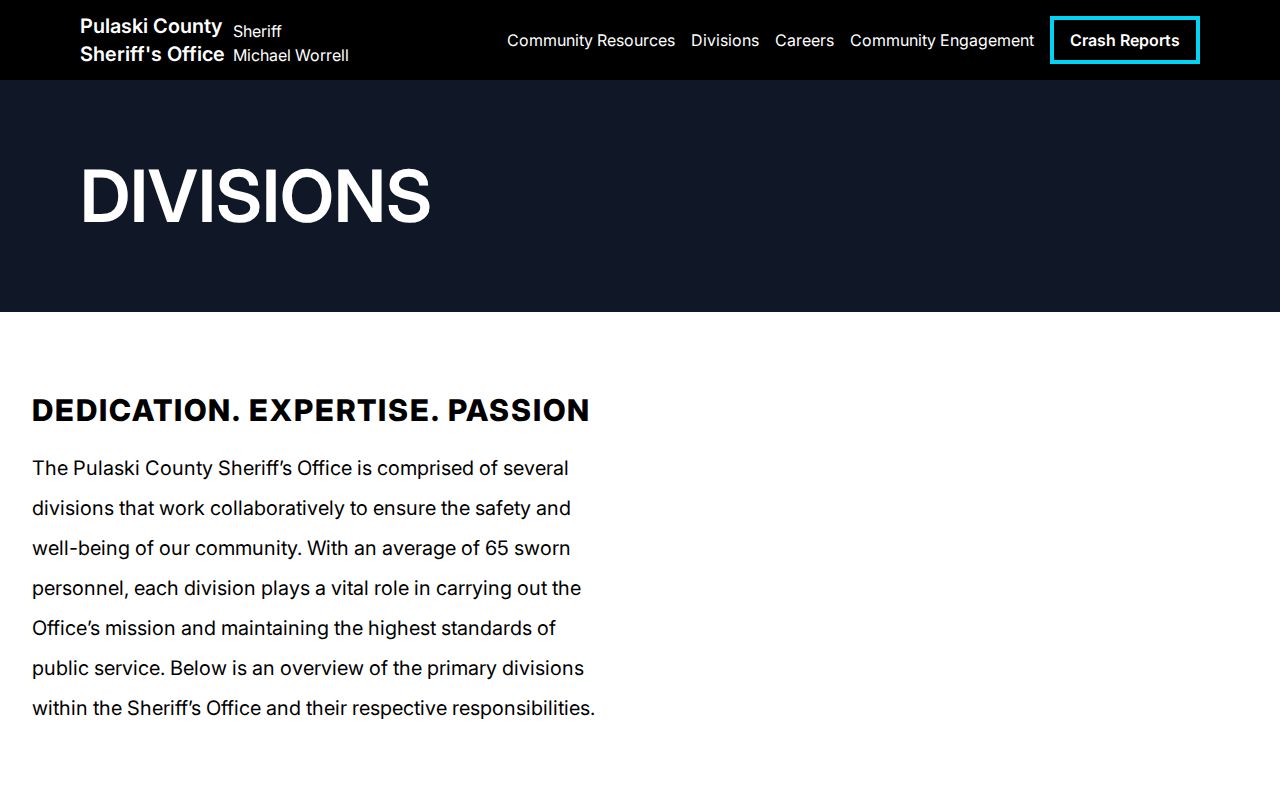
The division handles court-related duties, while the issuing court controls recall decisions.
Resolving a Pulaski County Bench Warrant
Confirm the issuing court and the case number before deciding what to do. The court can say whether a new appearance, motion, or hearing is needed. An attorney can help ask for a recall or explain a safe way to address the missed setting. Do not rely on a payment page to clear a warrant unless the court confirms that is the required action.
- Use the court case number to locate the file and identify the issuing court.
- Call that clerk to ask what process and next court date are recorded.
- Ask counsel whether a motion, new appearance, or magistrate and bond step applies.
- After court action, confirm the docket and process status with the court or warrants clerk.
Caution: A bench warrant is court process. Confirm the docket with the issuing clerk and speak with a Virginia attorney about the available next steps.
Pulaski County Bench Warrant Bond Questions
Bond is not one fixed county amount. A magistrate may consider personal recognizance, unsecured bond, secured bond, or ineligibility for bail, and a judge may later review the decision. The New River Valley Regional Jail explains these terms for people dealing with custody after an arrest.
Ask the court or magistrate what applies before arranging payment. The jail's guide is a custody and bond resource, not a case lookup or a promise that a particular bond will be set.
New River Valley Regional Jail's bond guidance describes the available categories.
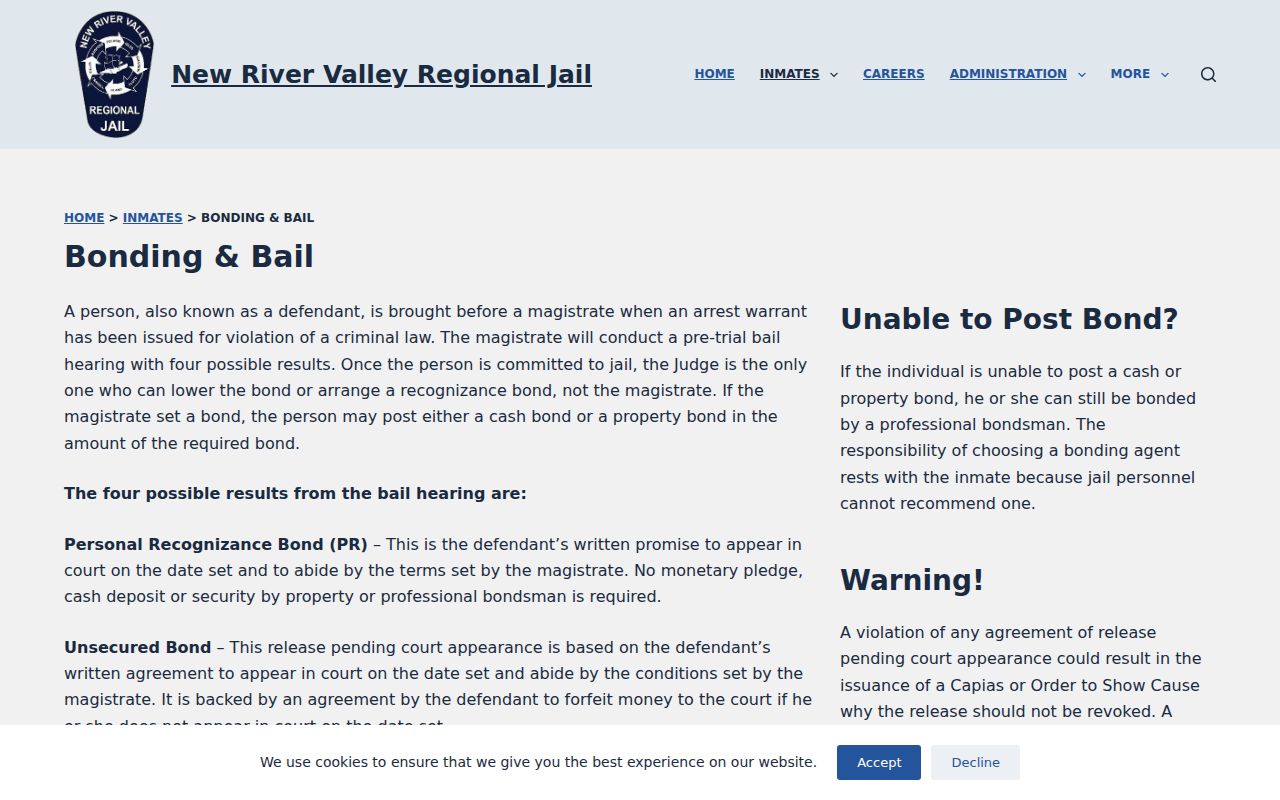
The court decides the terms of release in an individual case.
Finding the Court That Issued the Warrant
The court named on the summons or case result is usually the best clue. Pulaski Circuit, General District, and JDR have separate clerks at the same courthouse address, but each holds different files. Call the clerk for the court and case type shown rather than asking an unrelated office to recall it.
The sheriff serves process and cannot change a judge's order. If the court result is unclear, the Pulaski County warrant lookup can help find the case number before calling. The Criminal Warrants Clerk is a separate route for execution status.
JDR Warrants Have Privacy Limits
Juvenile and family matters need a careful route. JDR court and law-enforcement records are subject to confidentiality rules, and some details will not appear in a public search. The JDR clerk can explain which case information may be discussed with the person who is entitled to receive it.
Do not use a public search result to infer details about a juvenile matter or protective order. Call the JDR office for the record rules and keep sensitive case information out of an open request unless the clerk says it is appropriate.
The Pulaski JDR court page lists the court's clerk contact and schedule.
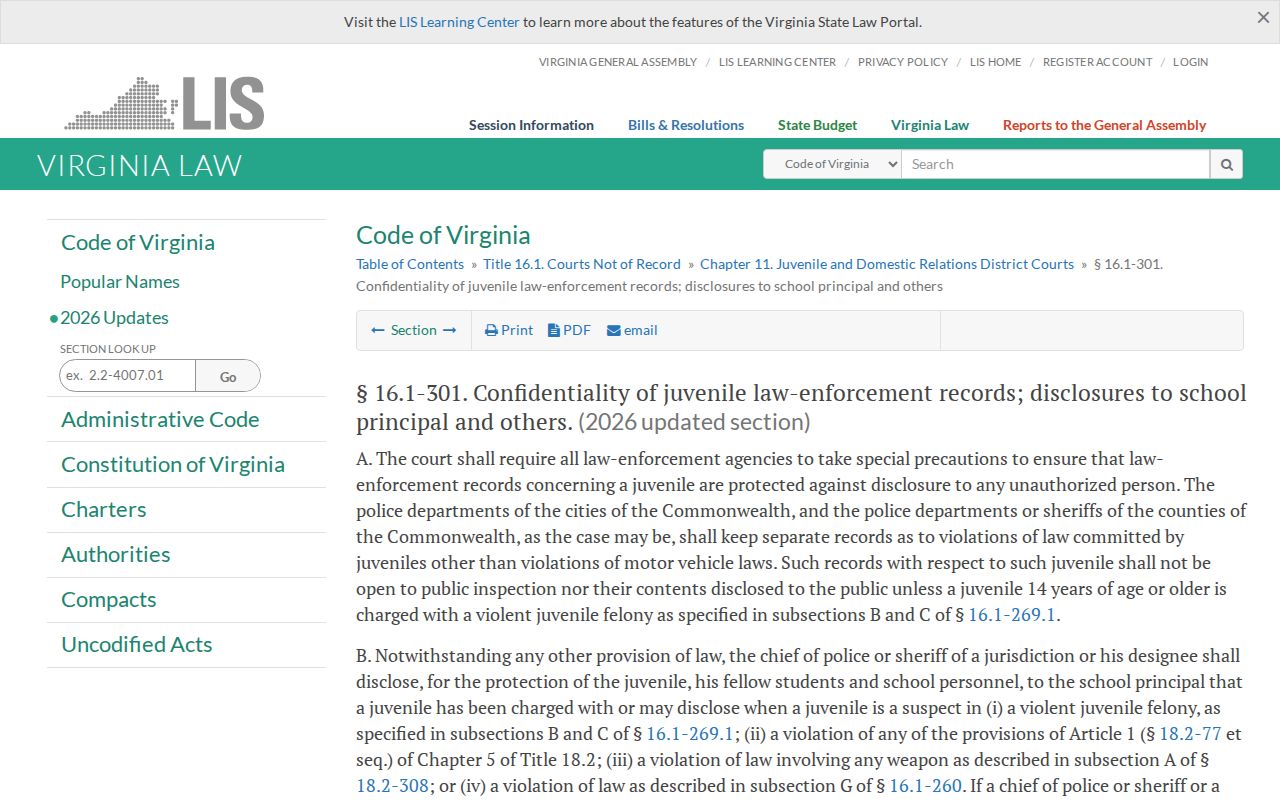
Statutory privacy rules apply even when a case exists in a local court.